SATC final goodbye...
SATC final goodbye...
Carrie and Big: A “Great Modern Love Story”?
I’ve been examining how media, memory, and emotion have shaped your understanding of love. It's easier to watch rom-coms and listen to smooth vocals and believe that love, even when it hurts, is still beautiful. But what if love is supposed to be something else entirely — gentle, consistent, boring even — but safe, and real?
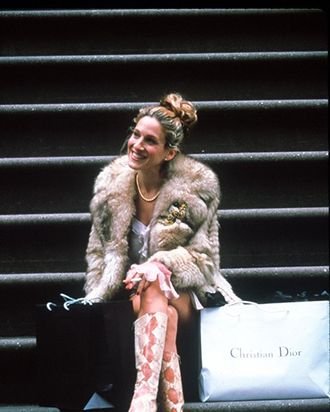
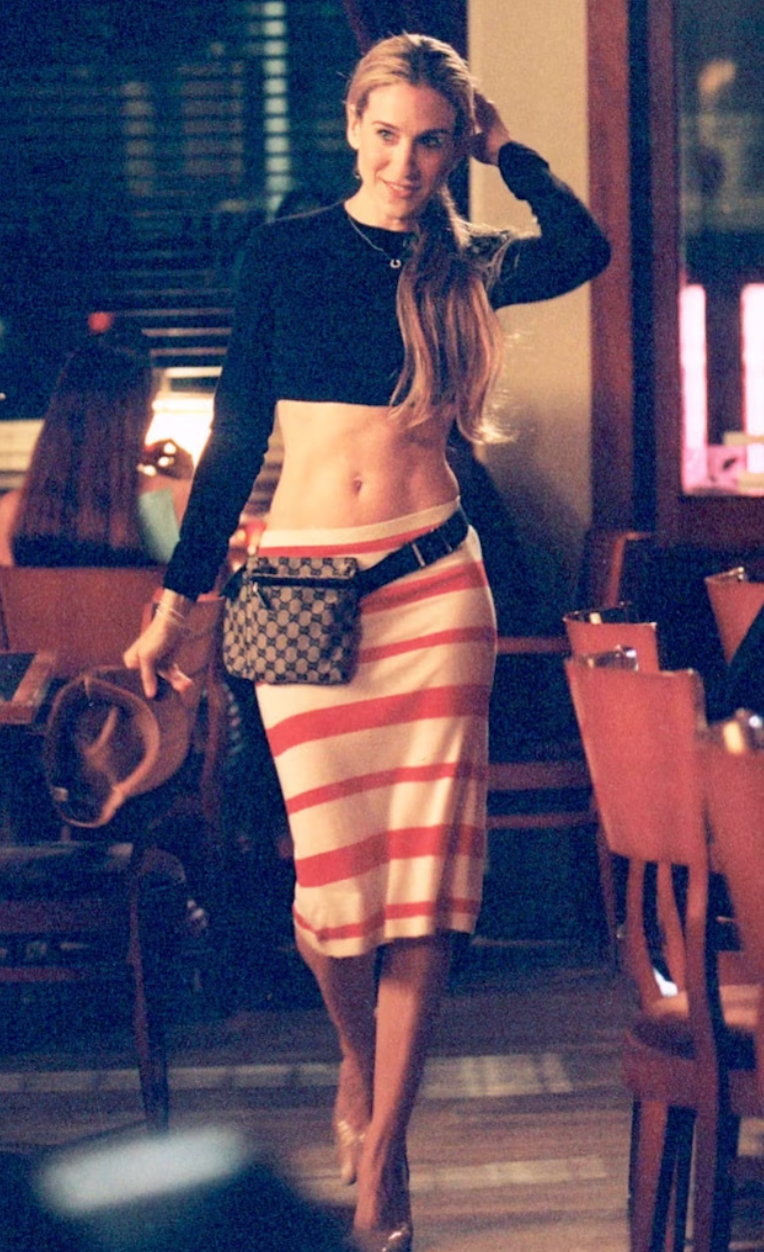
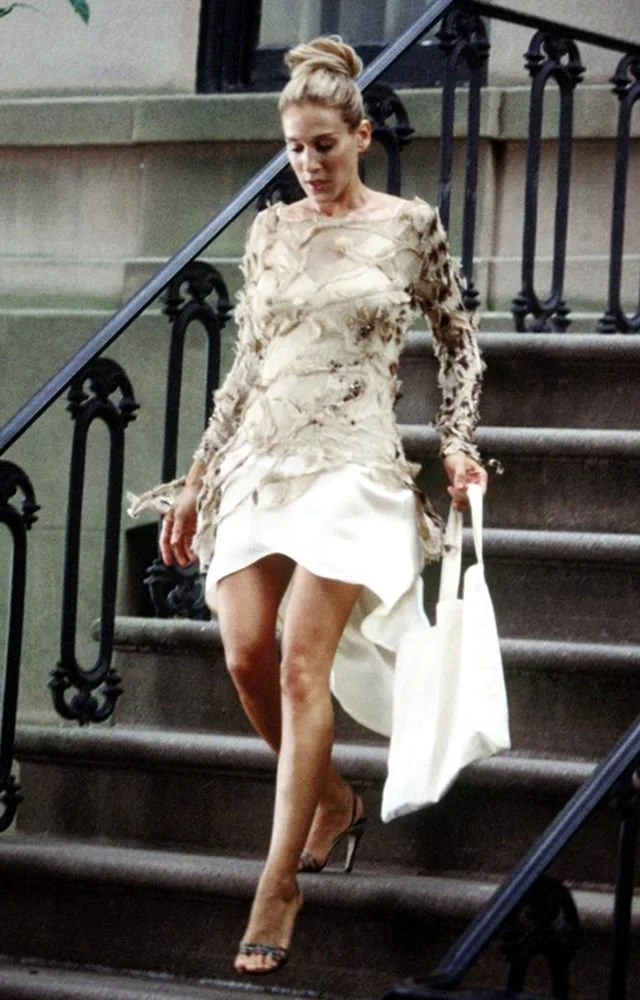
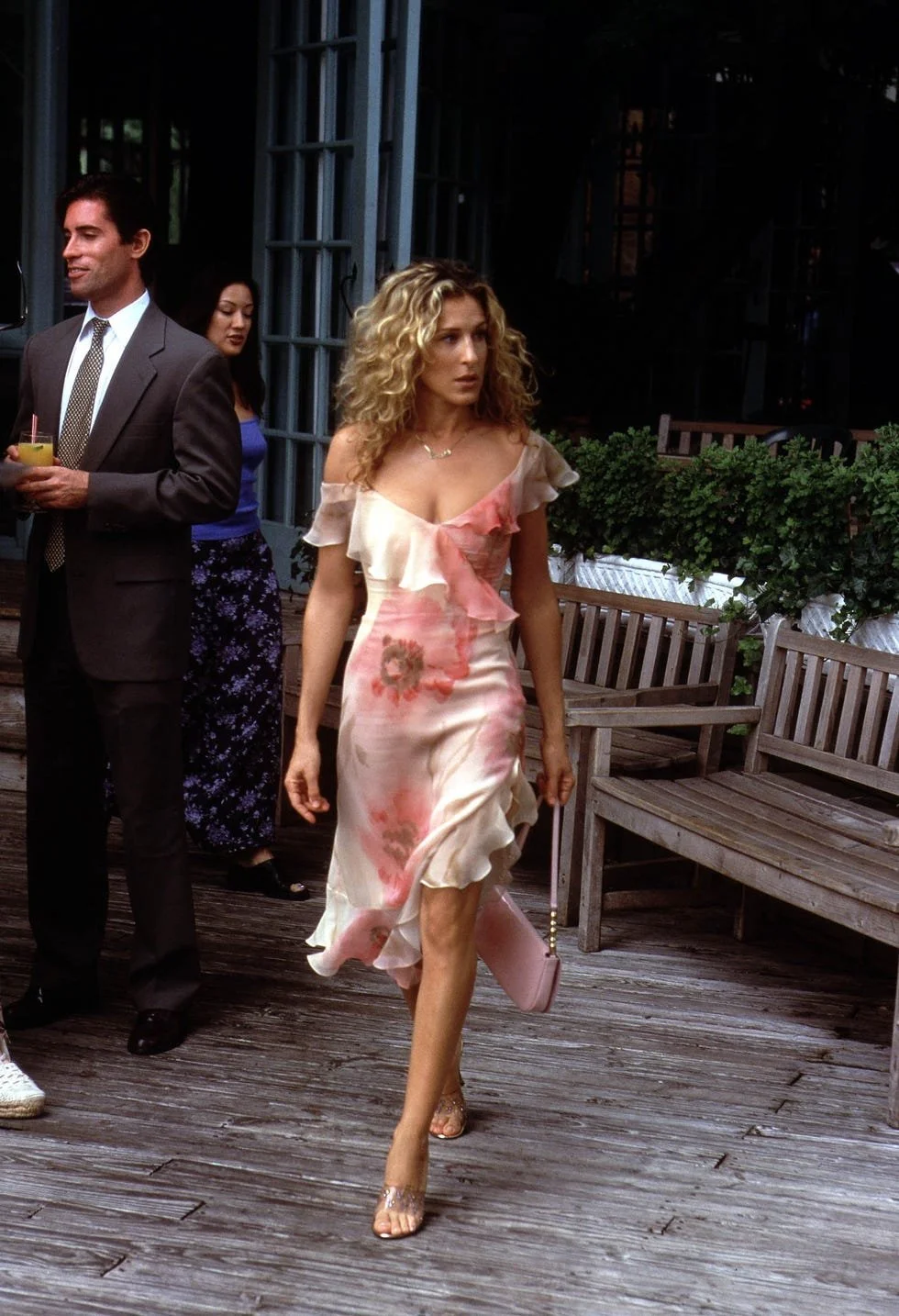
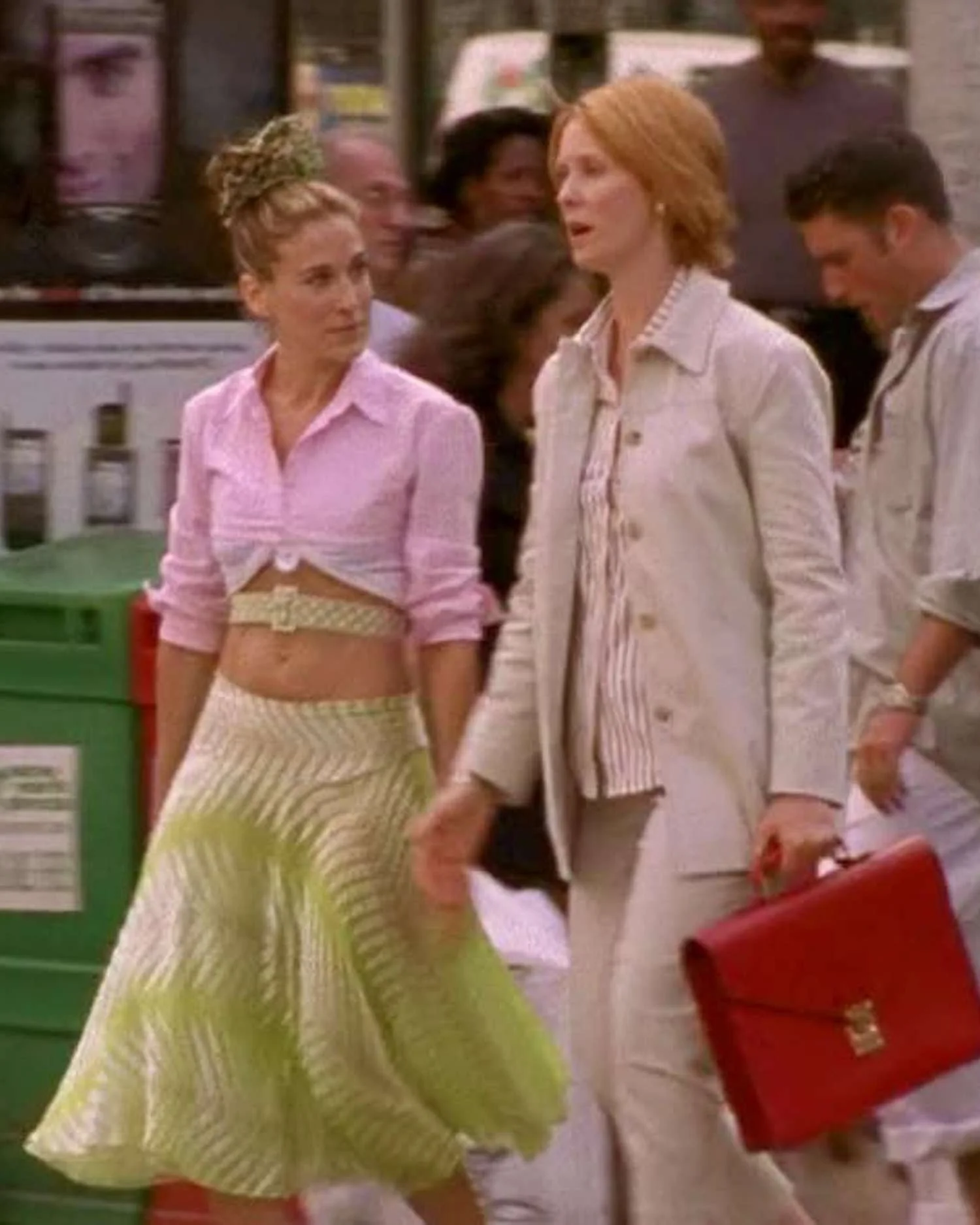
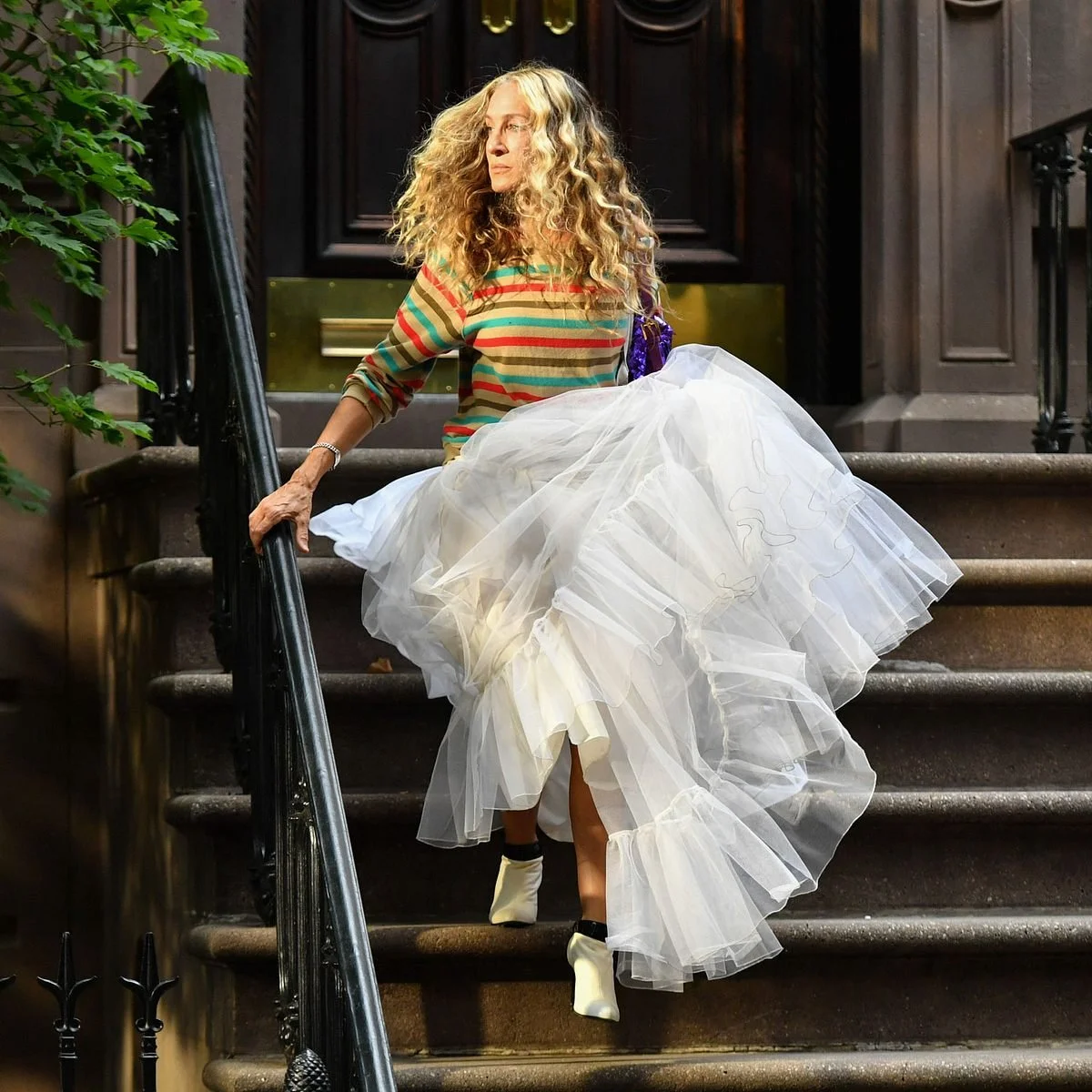
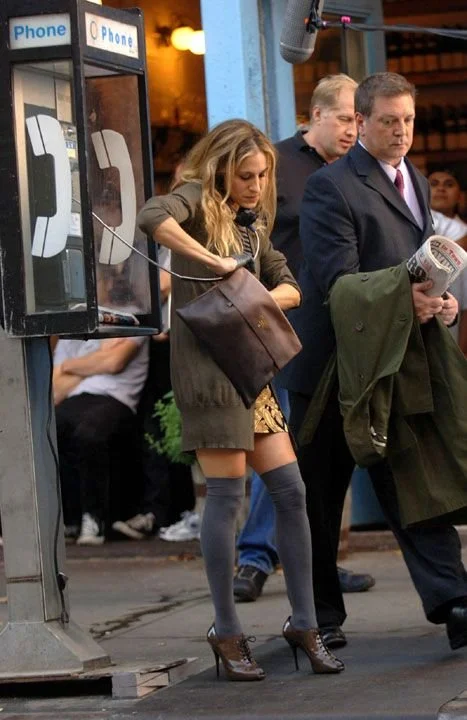
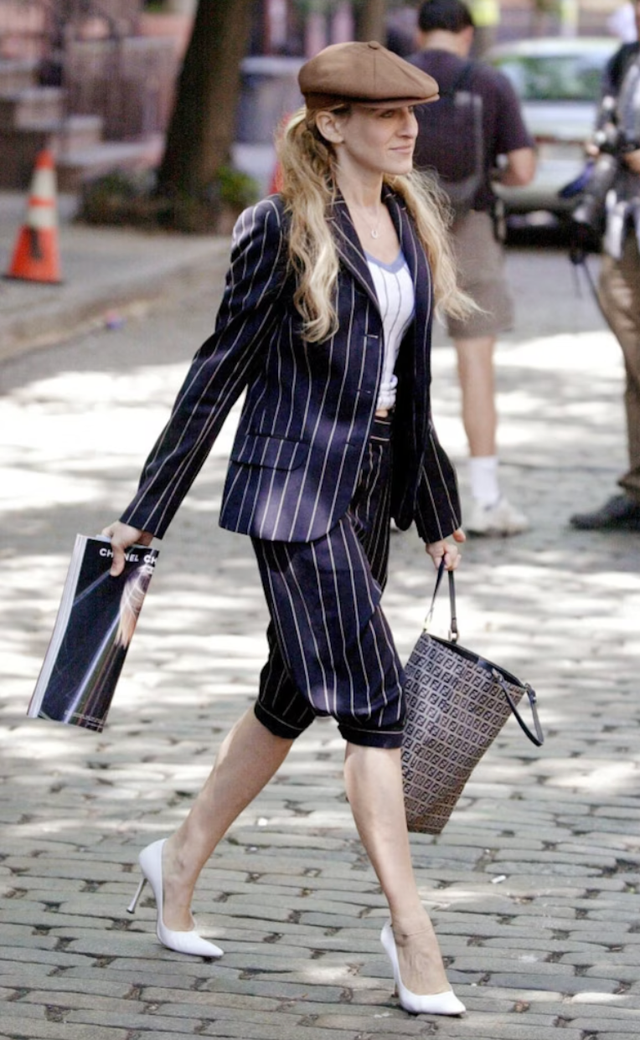
Sex and the City was known for Carrie Bradshaw’s evolving career — from a columnist at a New York City newspaper to a contributor at Vogue — and her somewhat relatable friendship group made up of Charlotte, Miranda, and Samantha (who, individually, have real star moments in the show in my opinion). At its core, the series explored Carrie’s deep relationship with fashion, shoes, and what was often framed as a “great modern love story” with Big. Off topic, he first time I heard that phrase “a great modern love story” - Marc Agnifilo’s used this statement to englobe Diddy and Cassie’s relationship, which struck a nerve — That phrasing, used in the context of a relationship reportedly marked by abuse, manipulation, and power imbalance, is tone-deaf reframing dysfunction as romance feels dangerous. We're only now starting to pull away from a culture that romanticized dysfunction — where toxic behavior was made to look aspirational because it came wrapped in beauty, luxury, or fantasy. For so long, stories, songs, and fairytales taught us to confuse chaos with passion, pain with depth. Carrie and Big’s relationship — full of mixed signals and emotional whiplash — was exactly that kind of dynamic that is endlessly debated. Sure, it was iconic. The show wrapped it all up in Manolo Blahniks and Fendi baguettes.
Lately, I’ve been sitting with all of this — especially when revisiting old R&B videos that once felt like comfort (still is). That music used to fill something in me. Now, it just brings up emotion I can’t fully name. It’s not just nostalgia. Maybe it’s grief. Maybe it’s the weight of realizing how much our ideas of love were shaped by narratives that didn’t really serve us. Not since Kehlani’s ‘Folded’ has a song hit me that way. That line about lovers folding — not just clothes, but dreams, promises, futures, captures how; just like Carrie’s experience, one must eventually face their own reckoning of what love really means.
I had only just started catching up on And Just Like That when they announced that the series was being cancelled — marking the official end of the Sex and the City franchise. So, naturally, I went back to rewatch Sex and the City from where I’d left off during my last re-binge (this is my fourth time through)."
There were so many things about Carrie that I found relatable — I was genuinely fascinated by how much of her life mirrored mine. It felt almost too on the nose: a fashion-obsessed writer with a complicated love life. Classic. That’s part of why she became such an icon to me. And honestly, her being white never really got in the way of that connection — the emotional messiness, the searching, the contradictions… all of that felt human, not just cultural.
Their were many brief moments, that stood out as the highlights for me in Season 3, other than the major turning points in Carrie’s love life. Carrie’s reactions could be completely insufferable. And yet, she was incredibly relatable — maybe too relatable. That’s when it started to hit me: I might be a little insufferable too. When she’s not “eating, gallivanting, writing,” she’s flaking on her friends, dismissing their storylines, or skipping dinner plans because she’s away for the weekend with her Russian boyfriend. The self-absorption is real — but also, painfully familiar. The simple but genius concept of ‘SSB’ — Secret Single Behavior. After some reflection, I realized I’ve got plenty of habits a potential partner would need to work around (ideally), just to make a long-term relationship work. Very Miranda-coded of me, honestly. As a writer with a wall of magazines, she really spoke to me. That tiny detail — her stacks of glossy issues always peeking out in the background of apartment shots — was my favorite nod to her being a true fashion girl. A collector of physical media. It was subtle, but so aesthetically satisfying
A lot of the commentary and passing jokes in the show wouldn’t fly today — and rightfully so. Watching the series now, in every corner of my apartment, I found myself yelling at the projector and mentally rewriting entire scenes just to satisfy each uncomfortable watch. There are so many episodes where I feel like the show completely gets it — where it’s relatable, honest, and funny — and then, out of nowhere, a scene will depict Black women as flat caricatures, based entirely on stereotypes. I started making a list of moments that stood out, and unsurprisingly, most of them had to do with race and the way Black women were portrayed — or more often, reduced — throughout the series
In Season 4, Episode 12 — the one where Aidan proposes — there’s a moment that really stuck with me. Carrie finds the gold wedding band he’s picked out and is so unsettled by it that she physically throws up (among other reasons, but the ring choice clearly didn’t help). Miranda, trying to understand the reaction, points out, “You wear gold jewelry,” and Carrie replies, “Yeah — ghetto gold, for fun.” As much as I personally don’t like gold jewellery either, that line hit me. Especially when, by the final episodes of SATC, Carrie is nearly brought to tears over losing her gold nameplate necklace — something portrayed as deeply sentimental. The irony is layered: turns out, the necklace was incorporated into the show after SJP’s stylist saw some 'kids in the neighborhood' wearing them. So a look that is often tied to culture and identity — gets labeled as 'ghetto' by Carrie when it doesn’t suit her, only to become a symbol of depth and meaning when it’s filtered through her lens. It’s one of those moments that says a lot without meaning to. Maybe i’m even doing a lot with this perspective…
I always see that clip of Carrie doing a random New York blaccent, and every time it comes up, I have to remind myself to watch these episodes with a forgiving mindset. It’s the kind of show where a white woman (Samantha) can wear an afro wig — because she’s battling cancer, and the moment is framed as sensitive, even empowering, like she’s making the best of a bad situation by having fun with wigs. (I know this supposed to be funny, because of the numerous outrageous scenarios Samantha puts herself in with multiple ill-fitting wigs). My only critique is that in the show A Black woman is never once depicted normally, never the muse or the main character, never even the emotionally linked to the friendship group. When Black women do appear, it’s stereotypical roles and definitely not as characters that make sense within the story. It’s a glaring observation that becomes louder the more you rewatch. Enjoying the show now often comes with this quiet negotiation between nostalgia and critical awareness.
Sex and the City hasn’t influenced how I see beauty, fashion, and female friendships, as I have my own life experience however — mixing iconic style with real emotional messiness, is what stood out to me this time around. The show remains a classic, despite how limited a lot of the ideals were, even amid all the glamour. And I am yet to find a show that has this much cultural impact. My key takeaway: it’s powerful to unapologetically be yourself, all the way, all the time! Carrie exemplified this - through everyone who entered and left her love nest - (a hopeless romantic who) never failed to truly follow her heart - And just like that… she seems to be choosing herself.